Across many industries, organizations are facing the same challenge: open roles are increasing, yet qualified candidates are difficult to find. In fields that rely on hands-on, technical skills, this issue is especially pronounced. Construction is one of the clearest examples, but it is far from an island.
The skills gap refers to the disconnect between the capabilities employers need and the skills available in the workforce. While hiring is often the first response, it is rarely a complete solution. Training and workforce development play an equally important role in closing this gap and preparing organizations for long-term growth.
This article examines the skills gap through a construction-focused lens while offering insights that apply across skill-driven industries. It explores the role of hiring and training, the strengths and limitations of each approach, and how organizations can combine both to build a more sustainable workforce.
Understanding the Skills Gap
The skills gap has developed over time due to shifts in education, technology, and workforce demographics. Many experienced workers are approaching retirement, while fewer new entrants are coming in with job-ready skills. At the same time, tools, systems, and processes continue to evolve, raising expectations for technical competence.

In construction, these challenges are easy to see: projects require a mix of physical skills, safety knowledge, and familiarity with digital tools. Similar dynamics exist in manufacturing, logistics, utilities, and other operational fields where learning on the job is essential.
When organizations struggle to find people who meet these requirements, they often face project delays, higher costs, and increased risk. The question becomes how best to respond when the available talent does not align with current needs.
Hiring as a Short-Term Response
Hiring addresses skill shortages by bringing in new people who already possess certain competencies. This approach is useful when organizations need immediate capacity or specialized expertise that does not exist internally.
Advantages of Hiring
Hiring can quickly add experience and knowledge to a team. New employees may bring exposure to different systems, methods, or environments, which can improve performance and problem-solving.
For roles that require certifications or advanced technical skills, external recruitment may be the most practical option. In construction, this might include project managers, safety professionals, or equipment specialists.

Limitations of Hiring
Hiring alone doesn’t resolve the underlying skills gap. Competition for qualified candidates is high across many industries, which increases costs and extends recruitment timelines.
New hires also require onboarding and acclimation; and even experienced workers need time to learn the company-specifics. But without ongoing training, performance gaps can persist (or grow), and turnover can increase.
These challenges are not unique to construction. Any organization that relies heavily on skilled labor faces similar risks when hiring is the primary strategy.
Training as a Long-Term Investment
Training focuses on developing skills within the existing workforce. Instead of searching for fully formed candidates, organizations build the capabilities they need over time.
Benefits of Training
Training allows organizations to align skills with their specific operational needs. Employees learn within the context of real workflows, which supports consistency, quality, and safety.
Workforce development also strengthens retention. Employees who see opportunities to grow are more likely to stay and advance internally. This reduces dependence on external hiring and helps preserve institutional knowledge.
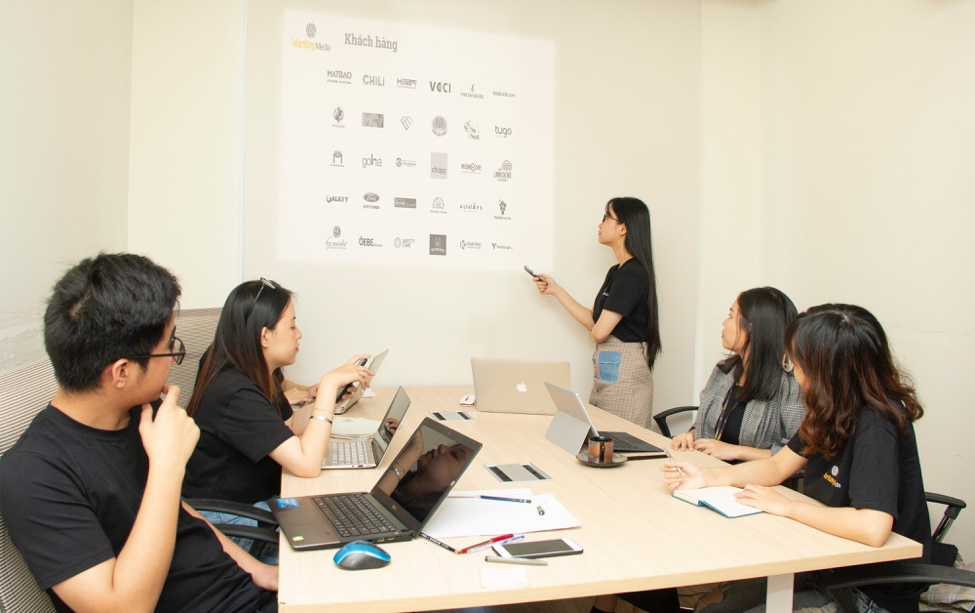
In construction and other technical fields, structured training can support compliance, reduce errors, and prepare workers to use new tools or technologies as they are introduced.
Challenges of Training
Training requires planning and resources. Time spent learning can temporarily reduce productivity, especially in fast-paced environments.
Results are also incremental. Skill development takes time, and organizations may still need to rely on hiring while training programs mature. Without structure, training efforts can become inconsistent and difficult to measure.
Training vs. Hiring: Choosing the Right Balance
Training and hiring serve different purposes. Hiring helps address immediate needs, while training builds long-term capability. Organizations that rely too heavily on one approach often struggle to keep pace with change.

A balanced strategy recognizes that some skills must be sourced externally, while others can be developed internally. Hiring decisions can focus on foundational skills and adaptability, while training programs build role-specific expertise.
This approach applies across industries, from construction and manufacturing to healthcare and technology. The core challenge is the same: aligning workforce capabilities with evolving demands.
Building a Scalable Workforce Strategy
To close the skills gap effectively, organizations need a coordinated approach that integrates hiring and training.
Hire With Development in Mind
Recruiting for potential expands the talent pool and creates opportunities for growth. Candidates with strong fundamentals and a willingness to learn can develop into high performers with the right support.

Create Structured Training Programs
Formal training programs provide consistency and scalability. These may include onboarding pathways, mentorship, apprenticeships, and ongoing skills development. Learning platforms can help standardize content and track progress.
Partner With External Organizations
Educational institutions, trade groups, and industry associations can help align training with real-world requirements. These partnerships also support long-term talent pipelines.
Leverage Technology for Learning
Digital tools make training more accessible and measurable. Online courses, simulations, and assessments allow organizations to deliver consistent learning experiences across locations and roles.
Conclusion
The skills gap is a shared challenge across many industries, with construction offering a clear example of its impact. Hiring remains an important tool for addressing immediate needs, but it cannot stand alone. Training builds the foundation for adaptability, retention, and long-term success.
Organizations that combine thoughtful hiring with intentional training are better positioned to meet current demands and prepare for future change. Closing the skills gap requires a shift from reactive staffing decisions to proactive workforce development.
